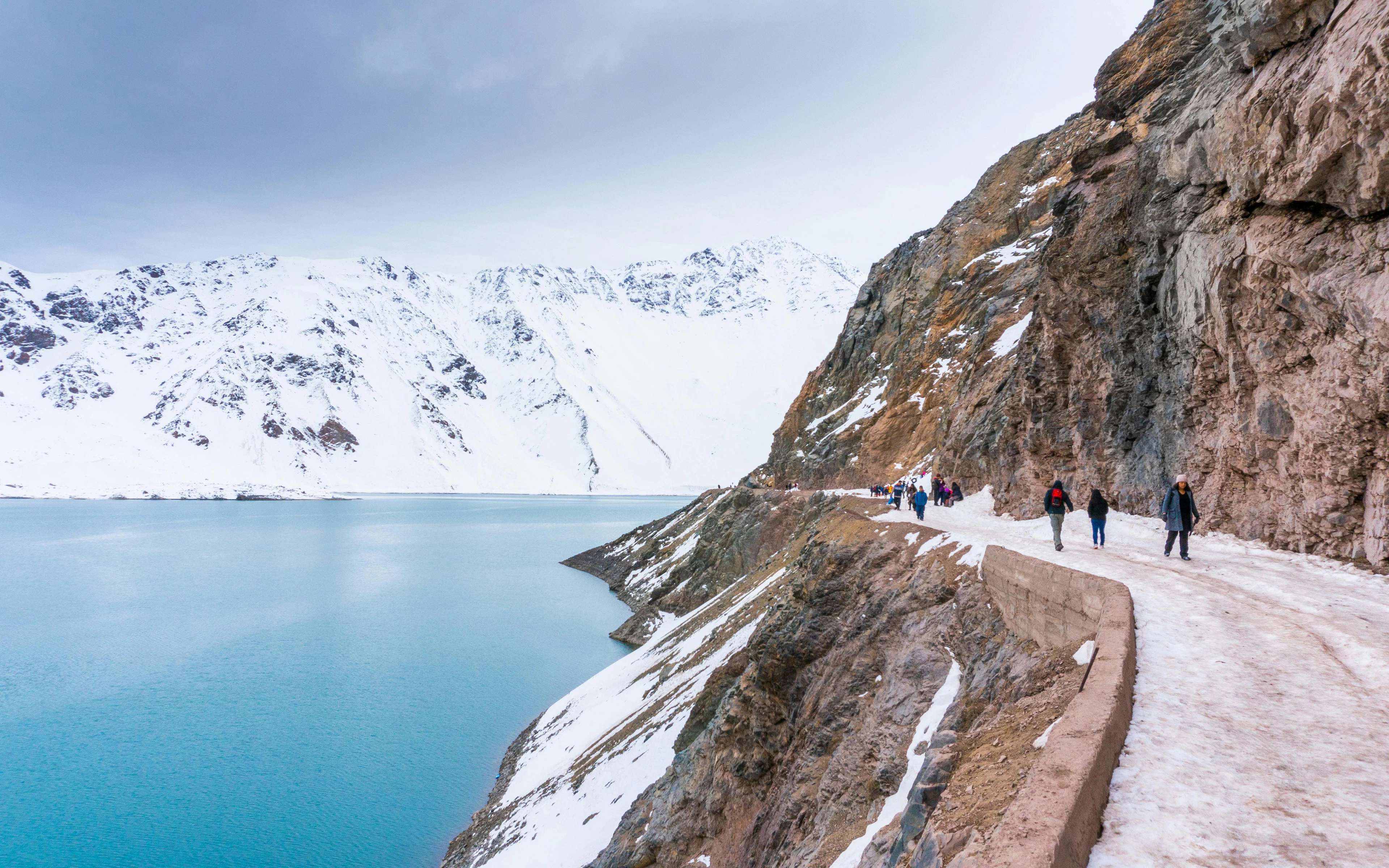
The three featured day trips depart from Santiago and last approximately 10–10.5 hours, including transfers and sightseeing stops. Pickup times depend on your chosen operator and accommodation. Mountain weather and road conditions may affect the route, particularly around Embalse El Yeso. Check your booking confirmation for exact pickup instructions and possible itinerary changes.
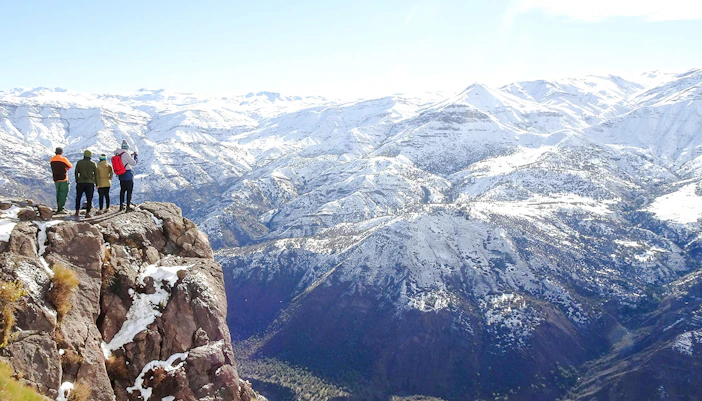
Cajón del Maipo is an expansive canyon and valley just southeast of Santiago, Chile. It isn’t one single gate-entry attraction but a string of scenic stops, rivers, reservoirs, towns, and hot springs threaded along a mountainous corridor. Visitors typically swap the city’s bustle for crisp air, towering ridges, and wide valley views as they travel the network of northern Maipo Canyon roads. The area is known for Embalse El Yeso, Termas Colinas, and plenty of lookout points where you can pause to photograph turquoise reservoirs, dramatic cliffs, and alpine scenery. This is a classic day-trip region: you choose the payoff you want—scenery, soaking, or a light hike—while transport, guides, and stops are bundled into a single day.
Why Cajón del Maipo?

1/7
See the turquoise waters of Embalse El Yeso
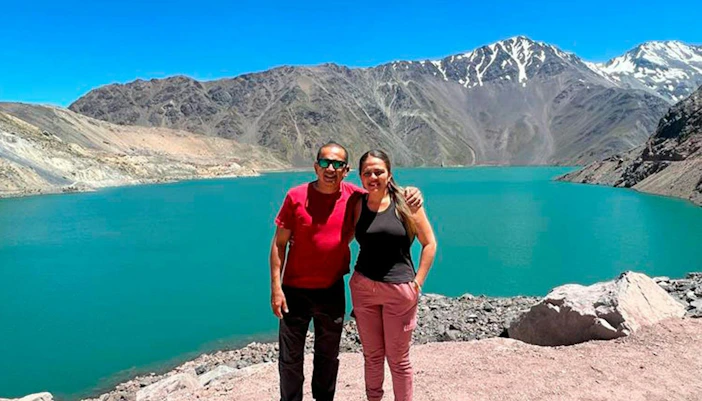
At around 2,500 metres above sea level, this reservoir is known for its striking turquoise water against the surrounding Andean peaks. It supplies water to the Santiago region, while glacial sediments contribute to the water's distinctive colour. Photograph it from permitted viewpoints rather than attempting to reach the restricted shoreline.
Soak in the Andes' natural thermal pools
These terraced thermal pools sit high in the Andes, with water temperatures ranging from 25°C to 55°C. Set beneath the San José volcano, they offer a natural hot-spring experience surrounded by mountain scenery.
- Swimming tip: Start with a cooler pool and enter gradually, especially at higher temperatures. Avoid prolonged soaking in the hottest pools and stay hydrated.
Admire the scenic Cascada El Yeso waterfall
This 7-metre waterfall on the Yeso River is a lesser-known natural landmark near Embalse El Yeso. Look for its clear, greenish pool, formed in a river section about 2.5 km downstream from the reservoir's hydraulic gates. Confirm road access before visiting, as it is not necessarily included in reservoir tour stops.
Discover the history of San José de Maipo
Founded in 1792, this mountain town began as a settlement supporting nearby silver-mining operations. Visit the Plaza de Armas and look for the historic church, whose construction began in 1798 and which was declared a National Historic Monument in 1992. It offers a cultural contrast to the region's mountain scenery.
Indulge in sweet treats at Casa Chocolate
This distinctive chocolate shop and café is located on Camino al Volcán in San Alfonso. Its unusual house-inspired design makes it a memorable stop for photos, while the café offers a chance to sample sweets and drinks. It is a particularly useful stop to know about when travelling through the valley.
Hike among the Andes at Monumento Natural El Morado
For a more adventurous visit, this protected natural area is known for high-mountain trekking and the San Francisco Glacier. It is a better fit for hikers planning a dedicated outdoor excursion than for travellers on a short sightseeing circuit. If you're staying in Santiago or San José de Maipo for a few extra days, consider setting aside a day for a hike here. Check current trail conditions, park access, and weather advisories before setting out.
Explore the rocky landscapes of Las Melosas and Puente El Cristo
The Las Melosas area is known for its distinctive rock formations, waterfall and natural pools near Puente El Cristo. It is worth considering if you want to explore the region's geology beyond the better-known reservoir. If you're spending a week in the region, consider visiting independently as an additional stop on your itinerary.
Plan your visit to Cajón del Maipo
Best time to go
October to March generally offers more favorable conditions for scenic drives and reservoir views. Winter brings snow, colder temperatures, and greater restrictions on mountain access. Embalse El Yeso's vehicle route has seasonal closures, often extending from April to August, with reopening subject to official road assessments. Check current access before booking a specific route.

Getting there from Santiago
Guided tours include hotel pickup and return transfers from Santiago. Independent visitors can follow Route G-25 through San José de Maipo, but reaching Embalse El Yeso or Termas Colinas requires additional travel on mountain roads. Public buses serve parts of the valley, not the remote highlights directly. Check road restrictions before driving.
What to do at Cajón del Maipo?
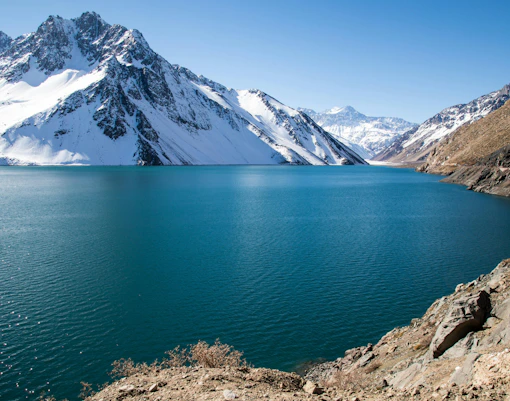
Embalse El Yeso: turquoise reservoir views
Embalse El Yeso is the classic visual anchor for Cajón del Maipo days. It’s a high-altitude turquoise reservoir set against jagged Andean peaks; plan a photo stop and a short walk if time allows.

Termas Colina: soak and relax
Seven volcanic-heated pools sit at Termas Colina, offering a calm, restorative stop after driving and viewpoints. Bring swimwear and a change of clothes; facilities are basic but functional.
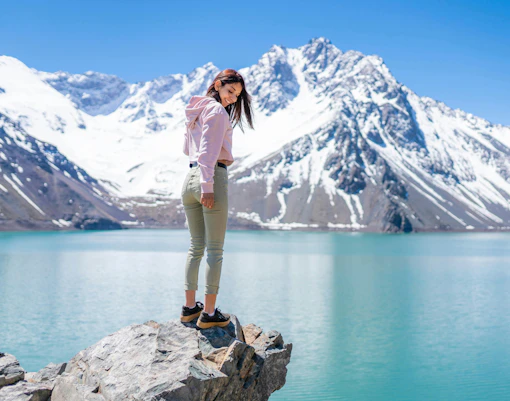
Maipo Canyon viewpoints
Numerous lookout points along the Maipo River provide sweeping alpine views. These stops are designed for quick photo moments and short walks, not long hikes.
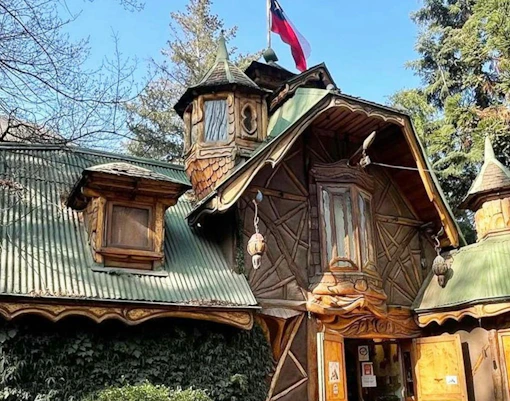
San José de Maipo village stop
A cultural pause in the gateway town offers a sense of place, local sweets, and a snack or shopping option before continuing the day. Not all itineraries include a full town market visit.
From volcanic landscapes to mountain settlements: Cajón del Maipo
Cajón del Maipo is more than a scenic mountain escape. Carved by the Maipo River, this Andean valley has long supported mining, settlements, and Santiago's water supply. San José de Maipo was founded in 1792 to serve nearby silver mines, while the old railway helped connect mountain communities to the capital. The turquoise Embalse El Yeso is actually a man-made reservoir that stores water for Santiago, rather than a natural lake. The surrounding volcanic landscape also gives rise to geothermal features such as Termas Colinas' natural hot springs. Together, these features reveal how geology, water, and human activity have shaped the valley.
Know before you visit Cajón del Maipo
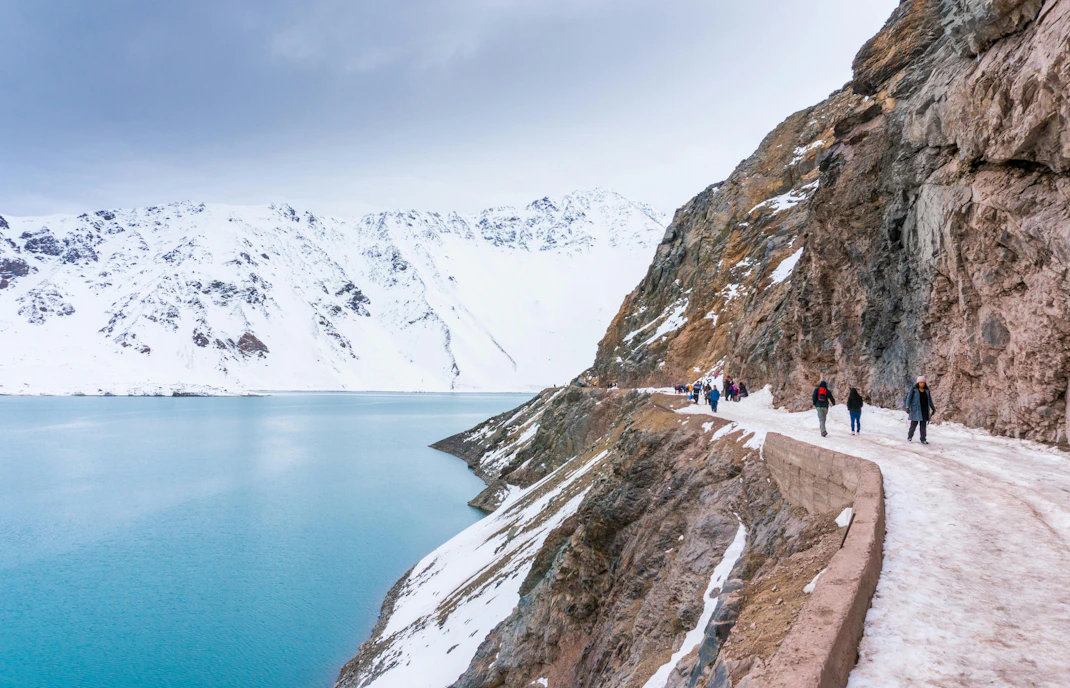
Need to know
- Road restrictions: Embalse El Yeso's mountain road is subject to seasonal closures and access controls. Visiting the reservoir is not guaranteed in all conditions.
- Accessibility: Expect winding roads, uneven outdoor surfaces, and remote mountain locations.
- What to wear: Bring warm layers, comfortable closed-toe shoes, and sun protection. Pack swimwear, a towel, and spare clothes for hot springs tours.
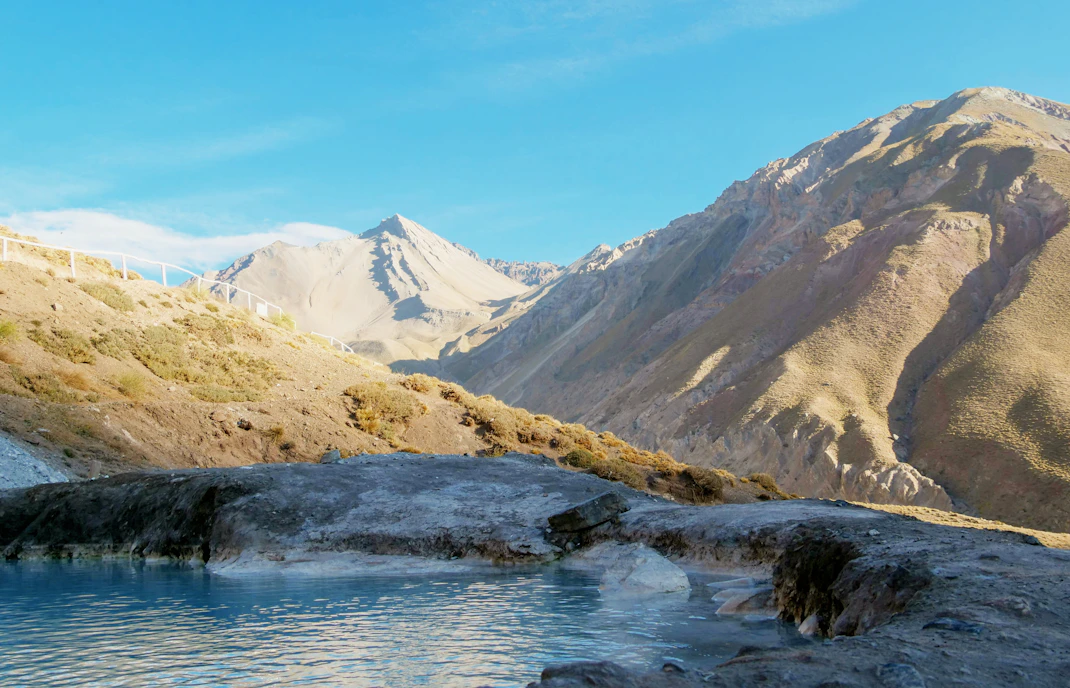
Worth knowing
- Altitude matters: Embalse El Yeso sits around 2,500m above sea level. Stay hydrated, avoid strenuous activity if you're feeling unwell, and allow time to adjust.
- Prepare for limited facilities: Restrooms, food stops, and mobile coverage vary across the valley. Carry water and download essential information before departure.
- Choose your route carefully: Choose the combined experience if you want both the reservoir and hot springs, but expect a fuller schedule with less time at each stop.
Frequently asked questions about Cajón del Maipo
Cajón del Maipo is a broad Andean valley near Santiago, marketed as a set of day trips rather than a single gate—kept cohesive by scenic stops, a drive-led rhythm, and a choice of payoff stops such as Embalse El Yeso or Termas Colina . This understanding helps set expectations for pacing and route variability.
No. Embalse El Yeso is a specific turquoise reservoir inside the Cajón del Maipo valley and a common hero stop, but Cajón del Maipo refers to the whole valley and its multi-stop day trips. Route planning and access depend on conditions and season.
Yes. The combined day trip includes both attractions and lasts approximately 10.5 hours. Visits depend on road and weather conditions, so stop order and accessibility may change.
Yes. You can independently visit areas such as San José de Maipo, but remote destinations require more planning and appropriate transport. Some mountain roads have restrictions and seasonal closures. See the Cajón del Maipo directions guide.
No. The reservoir is primarily a water-supply and sightseeing destination, and public shoreline access is restricted for safety. Visitors should enjoy the scenery from permitted viewpoints rather than entering the water. Read the Embalse El Yeso guide.
Scenic day trips may suit families, but long drives, altitude, and uneven terrain can be challenging. Hot springs tours also require visitors to enter and leave outdoor pools. Review age, health, and mobility requirements on your selected tour before booking.
Heavy snow, rain, or unsafe road conditions can lead to changes in the route or cancellation.